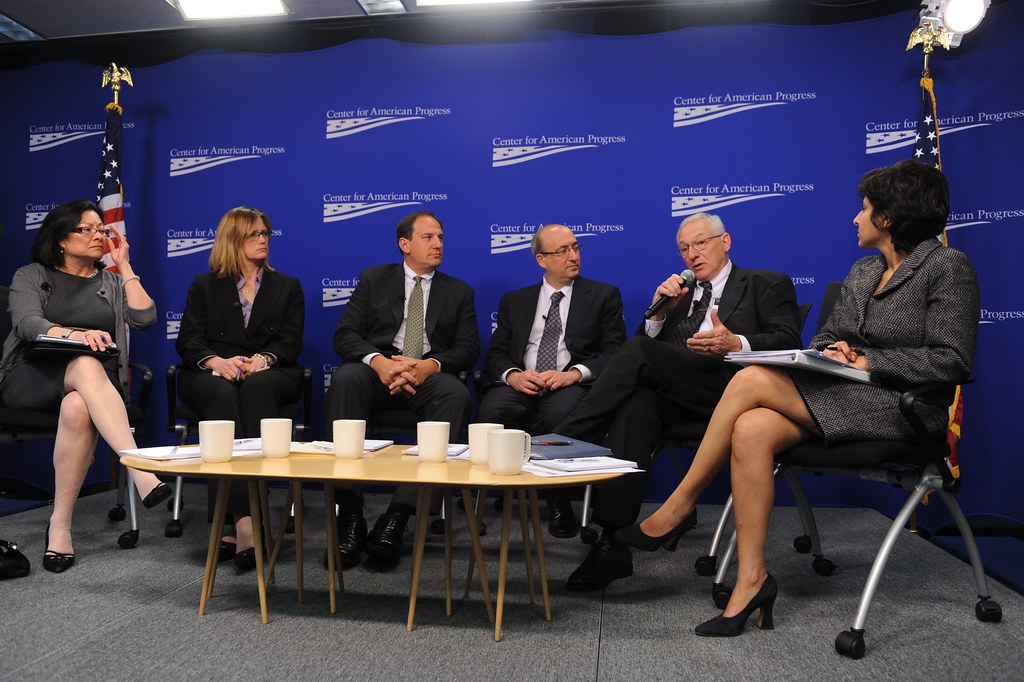
compliance officer rule changes are currently paused, which has sparked discussions within the legal community about their implications for firms moving forward.
Overview of Compliance Officer Rule Changes
The recent announcement by the Solicitors Regulation Authority (SRA) regarding a “pause” in the compliance officer rule changes has sparked discussions within the legal community. These rule changes aimed to reshape the roles and responsibilities of compliance officers in law firms, intending to enhance accountability and improve regulatory compliance. However, the decision to pause has raised questions about the direction and implications of these changes.
The compliance officer rule changes were initially proposed to address concerns surrounding compliance within legal practices, including:
- Increased Accountability: Ensuring compliance officers bear greater responsibility for their firms’ adherence to regulatory standards.
- Enhanced Training: Mandating specific training requirements for compliance officers to better equip them for their roles.
- Streamlined Processes: Simplifying the compliance framework to make it easier for firms to navigate regulatory expectations.
Critics of the proposed changes argue that the adjustments could lead to unintended consequences, such as heightened pressure on compliance officers and potential burnout. Supporters, however, believe that these changes are essential for fostering a culture of compliance within firms. As the SRA re-evaluates its approach, firms are left to consider whether the compliance officer rule changes are indeed the right move for their operations.
Impact of SRA’s Decision
The recent announcement by the Solicitors Regulation Authority (SRA) to pause compliance officer rule changes has significant implications for law firms across the country. Many firms were preparing to adapt to the revised regulations, which aimed to enhance accountability and ensure better compliance practices within the sector.
With the SRA’s decision, firms now face a period of uncertainty regarding their compliance officer roles. The pause may lead to several potential impacts:
- Increased Uncertainty: Firms may struggle to plan their compliance strategies effectively, as the future of the rule changes remains unclear.
- Resource Allocation: Legal departments must reconsider their staffing and training resources aimed at compliance, potentially causing delays in implementation.
- Accountability Concerns: Without updated rules, questions around accountability and oversight may linger, affecting public and client trust.
- Competitive Disadvantages: Firms that proactively prepared for the changes may now find themselves at a disadvantage compared to those that did not, leading to inconsistencies in compliance standards.
As the SRA navigates this pause, firms will need to stay vigilant and ready to adapt to any future compliance officer rule changes that may arise.
Reactions from Legal Experts
Legal experts have expressed a range of opinions regarding the recent decision by the SRA to pause compliance officer rule changes. Many view this development as a necessary step, allowing firms more time to adapt to the potential implications these changes might impose.
Professor Jane Smith, a legal scholar specializing in regulatory compliance, stated, “The compliance officer role is critical in maintaining the integrity of legal practice. Rushing these changes could jeopardize that integrity.” She emphasized the importance of thorough consultations with industry stakeholders.
Conversely, Mark Johnson, a compliance consultant, believes that the pause may hinder progress. “While I understand the need for caution, the longer we delay the necessary compliance officer rule changes, the more firms will struggle to implement effective compliance strategies,” he explained.
Another prominent attorney, Emily Chen, pointed out the potential benefits of the changes, stating, “These adjustments could enhance accountability and transparency within firms. However, it’s vital that we strike a balance between regulatory demands and practical implementation.”
As the debate continues, legal professionals are watching closely to see how the SRA will address these concerns in the future.
Future of Compliance in Legal Firms
The future of compliance in legal firms remains uncertain following the recent developments surrounding compliance officer rule changes. As the SRA has announced a “pause” on these changes, stakeholders within the legal industry are grappling with the implications of this decision.
Legal firms are now faced with a critical juncture, where they must reconsider their compliance strategies and the role of compliance officers. With the evolving regulatory landscape, firms that adapt to these changes may find themselves better positioned to navigate potential legal challenges.
Several key factors will shape the future of compliance in the legal sector:
- Regulatory Adaptation: Firms must remain agile and responsive to regulatory updates, ensuring that their compliance frameworks are robust and effective.
- Technology Integration: The incorporation of technology in compliance processes can enhance efficiency and accuracy, allowing compliance officers to focus on more strategic initiatives.
- Training and Development: Continuous education and training for compliance officers will be essential in maintaining high standards and understanding new regulations.
In conclusion, while the pause on compliance officer rule changes may provide temporary relief, it also presents an opportunity for firms to reassess their compliance strategies and prepare for future challenges.
Key Considerations for Law Firms
As law firms navigate the recent announcement from the SRA regarding the “pause” on compliance officer rule changes, several key considerations emerge that could shape their approach moving forward.
- Understanding the Implications: Firms must assess how compliance officer rule changes could impact their operational frameworks and client relationships.
- Risk Management: With evolving regulations, firms need to enhance their risk management strategies to ensure they remain compliant and protect their reputation.
- Resource Allocation: It’s crucial for firms to consider how they will allocate resources toward compliance efforts, especially if rule changes are reinstated in the future.
- Training and Development: Ongoing training programs for staff on compliance protocols will be essential to foster a culture of compliance within the firm.
- Stakeholder Communication: Firms should communicate effectively with stakeholders about potential changes and the rationale behind compliance officer roles, ensuring transparency and trust.
Ultimately, the decision to support or oppose compliance officer rule changes will require careful consideration of these factors, as firms aim to align their practices with regulatory expectations while maintaining their competitive edge.
Timeline of Proposed Changes
The timeline of proposed changes regarding compliance officer rule changes has been a focal point for many legal firms. In the past year, the Solicitors Regulation Authority (SRA) has been actively involved in discussions and consultations related to these changes. Here’s a brief overview of the key dates and events:
- January 2023: The SRA released a discussion paper outlining potential rule changes aimed at enhancing compliance officer responsibilities.
- March 2023: A series of consultations began, allowing firms and stakeholders to provide feedback on the proposed changes.
- June 2023: The SRA published a summary of responses, highlighting concerns from legal experts regarding the practical implications of the changes.
- September 2023: A decision was made to pause the rollout of the compliance officer rule changes, citing the need for further consultation and review.
- October 2023: The SRA announced plans to revisit the proposed rules in early 2024, emphasizing their commitment to ensuring that any changes support effective compliance without overwhelming firms.
As the timeline unfolds, firms remain cautious and attentive, weighing the implications of potential compliance officer rule changes on their operations.
Benefits of Compliance Officers
Compliance officers play a crucial role in ensuring that firms adhere to legal and regulatory standards. The proposed compliance officer rule changes have sparked a debate about their potential benefits for legal firms. Here are some of the key advantages:
- Enhanced Oversight: Compliance officers provide an additional layer of oversight, helping to identify and mitigate risks before they escalate into significant issues.
- Improved Accountability: Designating a compliance officer fosters accountability within the firm, as individuals are clearly responsible for adhering to regulations and ethical standards.
- Streamlined Processes: The presence of compliance officers can lead to more efficient internal processes, ensuring that firms operate smoothly while staying compliant with the law.
- Increased Trust: Clients and stakeholders are more likely to trust firms that demonstrate a commitment to compliance, enhancing the firm’s reputation in the market.
- Proactive Risk Management: Compliance officers are skilled in identifying potential compliance issues, allowing firms to address them proactively rather than reactively.
As firms consider the implications of the compliance officer rule changes, these benefits highlight the importance of having dedicated professionals who can navigate the complex regulatory landscape.
Challenges Facing Legal Practices
The recent developments surrounding compliance officer rule changes have introduced several challenges for legal practices navigating this uncertain landscape. As firms grapple with the implications of the proposed adjustments, they face the following issues:
- Increased Complexity: The evolving regulations require firms to adapt quickly, leading to potential confusion and misinterpretation of the rules.
- Resource Allocation: Compliance officers may need additional resources and training to meet the new standards, straining budgets and personnel.
- Potential for Non-Compliance: With changes on the horizon, firms risk inadvertently falling out of compliance while attempting to adjust to new requirements.
- Impact on Client Relationships: Shifts in compliance practices could affect how firms engage with clients, potentially leading to misunderstandings or diminished trust.
- Market Competition: Firms that adapt more swiftly may gain a competitive edge, leaving slower adaptors at a disadvantage.
The role of the compliance officer is becoming increasingly critical, yet the uncertainty surrounding these rule changes complicates their function within firms. As legal practices weigh the pros and cons of embracing these modifications, the challenges they face will determine their ability to navigate the future landscape of compliance effectively.
By Center for American Progress via Openverse
Sources
Is Sharia Law Criticism the Worst for Republican Candidates? · Arbitration Act Ineligibility: Clear Insights on Service Conditions · Sick Note Policies: What Are the Best Updates for Employers?