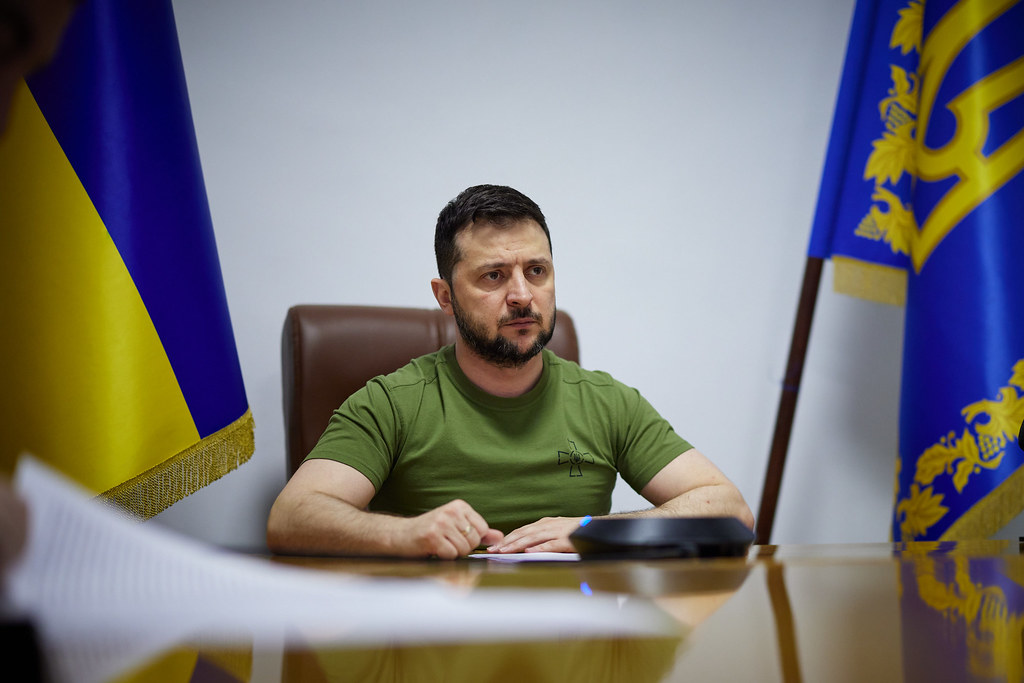
Ukraine peace talks are essential in addressing the ongoing conflict and fostering stability in the region. Recent discussions have involved key players like India and the EU, emphasizing the need for a collaborative approach.
Recent Developments in Ukraine Peace Talks
Recent developments in Ukraine peace talks have seen increased diplomatic efforts from various global players, particularly India and the European Union. These discussions have emerged as a crucial platform aimed at addressing the ongoing conflict and fostering stability in the region.
During the 12th Foreign Policy and Security Conference (FPSC), India and the EU reiterated their commitment to supporting Ukraine’s sovereignty while condemning cross-border terrorism. This collaboration highlights the international community’s recognition of the importance of peace talks as a viable solution to the ongoing tensions.
Key points from the recent conference included:
- Condemnation of Violence: Both India and the EU condemned acts of violence that undermine peace efforts and stability.
- Support for Diplomacy: Emphasis was placed on the need for sustained diplomatic engagement to facilitate meaningful dialogue.
- Indo-Pacific Stability: The discussions also touched on the significance of a free and open Indo-Pacific, linking regional security to broader global peace initiatives.
As the world watches closely, the outcomes of these peace talks could play a pivotal role in shaping the future of Ukraine and its neighbors, making the push for dialogue more critical than ever.
The Role of India and the EU in Mediation
As the Ukraine peace talks progress, the involvement of major global players like India and the European Union (EU) is becoming increasingly significant. Both parties have expressed a commitment to fostering dialogue and mediation in the ongoing conflict, advocating for a peaceful resolution that prioritizes stability in the region.
India’s position as a non-aligned nation allows it to facilitate discussions between Ukraine and Russia without taking sides. The Indian government has emphasized the importance of respecting sovereignty and territorial integrity while condemning acts of cross-border terrorism that complicate the situation. This balanced approach positions India as a potential mediator, offering a unique perspective in the Ukraine peace talks.
Meanwhile, the EU has consistently advocated for diplomatic efforts to resolve the crisis. Their focus on a united front among member states underscores the importance of collaborative action in addressing the conflict. The EU’s emphasis on stability in the Indo-Pacific region also highlights the broader implications of the Ukraine situation, linking it to global geopolitical dynamics.
In this context, the roles of India and the EU are crucial in steering the negotiations towards a peaceful resolution, ensuring that the voices of all stakeholders are heard and respected. The ongoing Ukraine peace talks may very well shape the future of international relations in this increasingly complex landscape.
Impact of Cross-Border Terrorism on Stability
The ongoing conflict in Ukraine has seen a rise in cross-border terrorism, which poses a significant threat to regional stability. Recent incidents have highlighted how such acts undermine peace efforts and complicate the already challenging landscape of Ukraine peace talks.
Cross-border terrorism not only affects Ukraine but also has ramifications for neighboring countries. The instability can lead to increased militarization and tensions among nations, further exacerbating the situation. Key stakeholders, including India and the European Union, have condemned these acts of terror, recognizing their detrimental impact on peace efforts.
In the context of Ukraine peace talks, addressing the issue of cross-border terrorism is crucial. A comprehensive approach must be adopted, focusing on:
- Intelligence Sharing: Enhancing cooperation between nations to track and mitigate terrorist activities.
- Joint Operations: Conducting coordinated efforts to dismantle terrorist networks that exploit the chaos of the conflict.
- Community Engagement: Fostering resilience within communities affected by terrorism to reduce recruitment and radicalization.
Ultimately, finding a lasting solution to the conflict necessitates a commitment to addressing the roots of cross-border terrorism, which, if ignored, could derail the potential success of Ukraine peace talks.
The Importance of a Free Indo-Pacific
The recent discussions surrounding Ukraine peace talks have highlighted the broader geopolitical implications for global stability, particularly in the Indo-Pacific region. As India and the European Union advocate for peaceful resolutions, they emphasize the necessity of a stable Indo-Pacific as a foundation for international security.
In recent statements, leaders have underscored the interconnectedness of various global issues, including the ongoing conflict in Ukraine. Free navigation and trade in the Indo-Pacific are seen as crucial not just for regional prosperity but also for supporting the principles of sovereignty and territorial integrity that underpin the Ukraine peace talks.
Furthermore, the rise of cross-border terrorism poses additional challenges that can destabilize both the Indo-Pacific and Eastern Europe. As nations confront these threats, a united front becomes essential. The EU and India have called for collective efforts to combat terrorism while promoting dialogue that can lead to lasting peace in Ukraine.
- Stability in the Indo-Pacific enhances global security.
- Ukraine peace talks are a vital part of this stability.
- International cooperation is key to addressing cross-border terrorism.
Ultimately, the commitment to a free and prosperous Indo-Pacific can serve as a model for resolving conflicts, including the ongoing situation in Ukraine.
Future Prospects for Ukraine and Global Peace
The ongoing discussions around Ukraine peace talks have sparked significant interest regarding their potential impact on both regional stability and global peace. As various nations come together to mediate, the prospects for a lasting resolution remain a point of contention among analysts and policymakers.
One of the major challenges faced in these peace talks is the diverse interests of involved nations. As countries like India and members of the EU emphasize the need for dialogue, they also highlight the importance of addressing underlying issues, such as cross-border terrorism, which threaten not only Ukraine but also neighboring states.
Moreover, the geopolitical landscape has shifted dramatically, with the Indo-Pacific becoming a focal point for international relations. The emphasis on a free and open Indo-Pacific is seen as crucial not only for regional security but also as a stabilizing factor for broader global dynamics.
As negotiations progress, it is essential for all parties to remain committed to finding a sustainable solution that ensures Ukraine’s sovereignty while fostering a cooperative approach towards global peace. The outcomes of these discussions could set a precedent for future conflict resolution efforts worldwide, making the stakes incredibly high.
By President Of Ukraine via Openverse
Read the original
Related stories
Corporate law update: What are the best recent changes? · Housing Rule Mixed-Status Families: Wrong and Clear Impact · FCC Rule Changes: The Right Move for TCPA Compliance